EN
EN
 fr
fr  de
de  es
es  it
it  ru
ru  pt
pt  ar
ar  th
th  pl
pl  ro
ro 
A dust collector is one of the most important components of a modern shot blasting machine. Although the blast wheel is responsible for accelerating abrasive media and cleaning metal surfaces, the dust collector ensures that the entire blasting process operates safely, efficiently, and consistently.
During metal shot blasting, thousands of steel shots or abrasive particles impact the workpiece surface at high speed. This process removes rust, oxide scale, sand residue, and surface contaminants, but it also produces fine dust, broken abrasive particles, and debris. Without an effective dust collection system, these particles can reduce visibility, contaminate the blasting chamber, damage equipment, and create workplace safety risks.
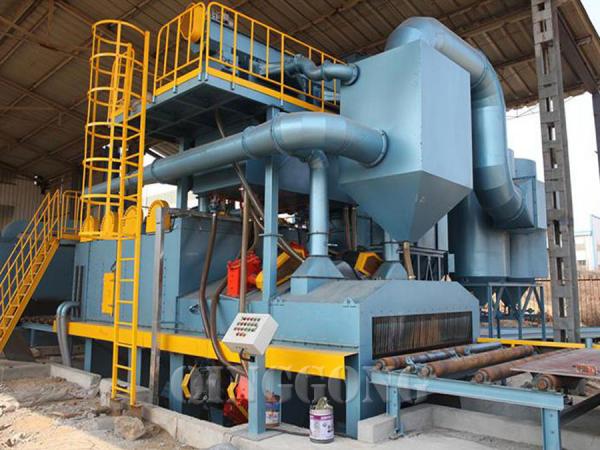
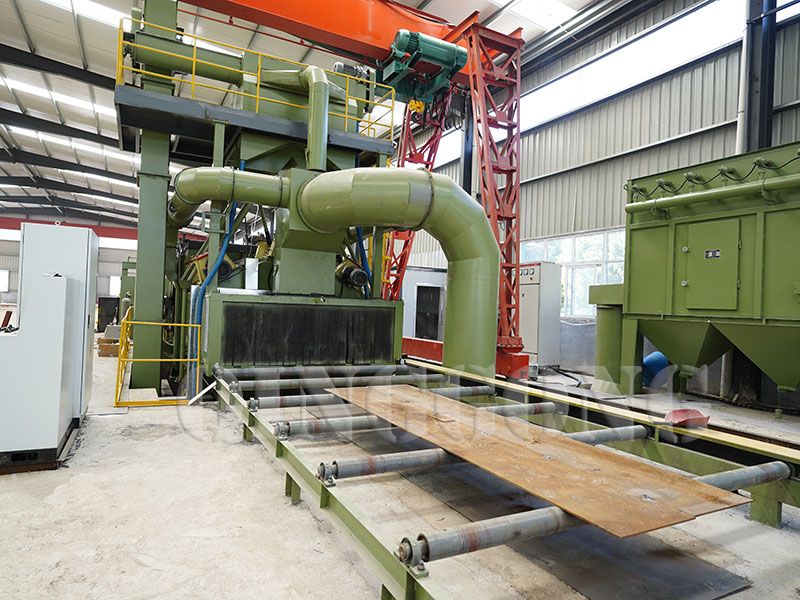
A complete shot blast cleaning equipment system usually integrates a dust collector with the blast chamber, abrasive recovery unit, separator, and ventilation system. Manufacturers such as QGMA provide industrial blasting solutions equipped with dust control systems for applications including steel structures, automotive parts, foundry components, and heavy machinery.
What Is the Role of a Dust Collector in a Shot Blasting Machine?
The primary role of a dust collector is to remove airborne particles generated during the blasting process.
When abrasive media impacts a metal surface, several types of particles are created:
Rust and oxide particles
Old paint residues
Sand and casting impurities
Broken abrasive media
Fine metal dust
The dust collector captures these particles through controlled airflow and filtration. This keeps the blasting chamber clean while allowing reusable steel shot to continue circulating through the shot blasting machinery.
A properly designed dust collection system performs several important functions:
Function | Description |
Air Cleaning | Removes dust and fine particles from the blasting area |
Visibility Improvement | Keeps the chamber clear for effective operation |
Equipment Protection | Prevents dust accumulation inside mechanical components |
Worker Safety | Reduces exposure to airborne contaminants |
Environmental Control | Helps factories meet emission requirements |
According to the U.S. Occupational Safety and Health Administration (OSHA), controlling airborne dust exposure is an essential part of maintaining a safe industrial working environment.
Why Dust Collection Is Essential for Shot Blasting Equipment
A shot blasting machine without effective dust control cannot achieve stable performance. Dust collectors directly influence production quality, equipment lifespan, and workplace conditions.
Maintaining Surface Cleaning Quality
During blasting, excessive dust inside the chamber can block the operator’s view and reduce the effectiveness of abrasive impact.
For example, a steel shot blasting machine processing large components needs a stable airflow system to maintain clear visibility and consistent cleaning results. This is especially important for applications such as:
H beam metal shot blasting machine
Wheel blast equipment
Foundry blasting systems
Protecting Machine Components
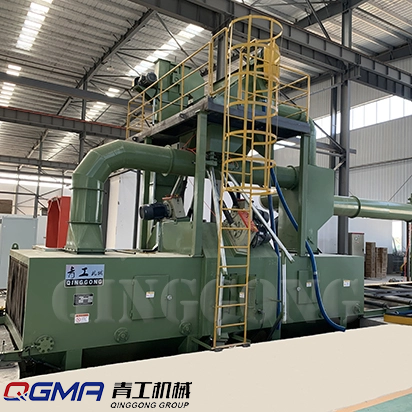
Dust and broken abrasive particles can accumulate on mechanical components, including:
Blast wheel motors
Bearings
Conveyor systems
Electrical control units
A dust collector reduces contamination and helps extend the service life of industrial shot blasting equipment.
Improving Workplace Safety
Fine particles generated during abrasive blasting may create respiratory hazards if not properly controlled.
The National Institute for Occupational Safety and Health (NIOSH) recommends effective ventilation and dust control measures in industrial environments where airborne particles are generated.
How Does a Dust Collector Work in a Shot Blasting Machine?
The working principle of a dust collector is based on airflow separation and filtration.
The process usually includes four stages:
1. Dust Capture
A ventilation fan creates negative pressure inside the blasting chamber. Air containing dust and small particles is drawn away from the blasting zone.
2. Particle Separation
Before reaching the filter system, larger particles and reusable abrasive materials are separated through an abrasive separator.
This prevents valuable steel shot from entering the filtration unit.
3. Filtration
The remaining dust-filled air passes through filter cartridges or filter bags. Fine particles attach to the filter surface while clean air passes through.
4. Dust Removal
Automatic cleaning mechanisms, such as compressed air pulses, remove accumulated dust from the filters. The collected dust falls into a waste container for disposal.
This continuous cycle allows the dust collector to maintain stable airflow during long production operations.
Main Components of a Shot Blasting Dust Collector
A typical dust collection system consists of several key parts.
Component | Function |
Fan | Creates airflow and negative pressure |
Filter Cartridge or Bag | Captures fine dust particles |
Filter Cleaning System | Removes accumulated dust |
Dust Hopper | Collects separated particles |
Control Unit | Monitors operation and cleaning cycles |
Exhaust System | Releases filtered air |
Different applications require different filtration designs. For example, a shot blasting machine for cold forging press may generate different dust characteristics compared with a foundry blasting line, requiring customized filtration capacity.
Types of Dust Collectors Used in Shot Blasting Machines
Different blasting applications use different dust collector technologies.
Dust Collector Type | Features | Typical Applications |
Cartridge Filter Collector | Compact design, high filtration efficiency | Automatic blasting systems |
Bag Filter Collector | Suitable for large airflow volumes | Foundries and heavy industries |
Cyclone Collector | Removes larger particles before filtration | Pre-separation systems |
Wet Dust Collector | Uses liquid filtration | Special industrial environments |
Cartridge filter systems are widely used in modern wheel blast machines because they provide efficient filtration while requiring relatively little installation space.
Large foundries and steel processing plants often combine multiple filtration stages to handle high dust loads generated by continuous blasting operations.
Relationship Between Dust Collector and Shot Blasting Efficiency
The performance of a shot blasting machine depends not only on abrasive impact but also on effective dust management. A well-designed dust collector improves the overall efficiency of the blasting process in several ways.
Stable Airflow Improves Blasting Performance
A stable airflow environment helps maintain proper separation between reusable abrasive and waste particles. If airflow is insufficient, dust can remain inside the blasting chamber, reducing cleaning visibility and affecting abrasive circulation.
For large-scale industrial shot blasting equipment, especially continuous production lines, maintaining balanced airflow is essential for achieving consistent surface treatment.
Reducing Abrasive Consumption
During metal shot blasting, abrasive particles gradually break into smaller fragments after repeated impacts. These fragments must be separated from reusable steel shot.
A properly designed dust collection system works together with the separator to remove fine particles while allowing usable abrasive to return to the blast wheel. This reduces unnecessary abrasive replacement and lowers operating costs.
Supporting Automated Production
Modern shot blasting machinery is often integrated with automatic loading systems, conveyors, and painting equipment. Stable dust control allows these systems to operate continuously with fewer interruptions.
For example, a blast and paint equipment for foundries requires efficient dust removal because surface preparation and coating quality are closely connected. Poor dust control may affect paint adhesion and final product performance.
Applications of Dust Collectors in Different Shot Blasting Industries
Dust collectors are used in almost every industry where abrasive blasting is required.
Structural Steel Manufacturing
A H beam metal shot blasting machine generates large amounts of dust when removing mill scale, rust, and surface oxidation from steel beams.
Large-capacity dust collectors are installed to maintain clean operating conditions during continuous steel processing.
Automotive Manufacturing
Automotive suppliers use dust collection systems with blasting equipment for:
Engine components
Brake parts
Transmission housings
Aluminum wheels
Forged components
A clean blasting environment improves consistency in high-volume production.
Foundries
Foundry applications generate complex mixtures of dust, sand particles, and casting residues.
Heavy-duty dust collectors help remove these contaminants when using:
Wheel blast equipment
Tumble blast machines
Automated casting cleaning systems
According to the U.S. Environmental Protection Agency (EPA), industrial particulate control systems are important for reducing airborne emissions from manufacturing processes.
Cold Forging Industry
A shot blasting machine for cold forging press is commonly used to remove oxide layers and improve surface conditions before further processing.
Because forging operations can produce fine metallic particles, efficient dust collection is required to maintain equipment reliability and workplace safety.
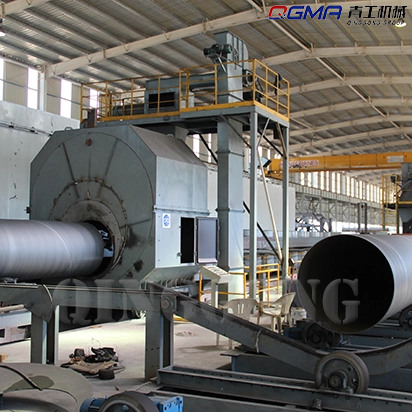
How to Choose the Right Dust Collector for a Shot Blasting Machine
Selecting the correct dust collector depends on several technical factors.
Selection Factor | Consideration |
Airflow Capacity | Must match blasting chamber size and production speed |
Dust Type | Depends on material and abrasive used |
Filtration Efficiency | Determines air quality and emissions control |
Operating Hours | Continuous production requires stronger systems |
Maintenance Requirements | Easy filter replacement reduces downtime |
When purchasing a blast machine for sale, buyers should evaluate the dust collector as an essential part of the system rather than an optional accessory.
A properly matched dust collector improves machine performance, reduces maintenance costs, and supports long-term operation.
Dust Collector Maintenance Requirements
Regular maintenance is necessary to keep a dust collection system operating efficiently.
Important maintenance tasks include:
Checking Filter Condition
Filters gradually collect dust and may become blocked over time. Regular inspection helps maintain airflow and prevents excessive pressure loss.
Cleaning the Filter System
Automatic pulse cleaning systems should be checked to ensure compressed air pressure is sufficient for removing accumulated dust.
Inspecting Fans and Ducts
Air leakage, damaged ducts, or worn fan components can reduce dust collection efficiency.
Emptying Dust Containers
Collected dust should be removed regularly to prevent overflow and maintain continuous operation.
Following proper maintenance procedures helps extend the service life of both the dust collector and the complete wheel blast machine.
Future Development of Dust Collection Technology
As manufacturing moves toward smarter and cleaner production, dust collection systems are becoming more advanced.
Future trends include:
Intelligent airflow monitoring
Automatic filter condition detection
Energy-saving ventilation systems
Remote equipment monitoring
Integration with factory automation platforms
These improvements allow manufacturers to reduce energy consumption while maintaining strict environmental and safety standards.
Advanced dust control will continue to be an important part of next-generation industrial shot blasting equipment.
Conclusion
The dust collector plays a critical role in the operation of a shot blasting machine. While the blast wheel provides the impact force needed for surface cleaning, the dust collector maintains air quality, protects machine components, improves blasting efficiency, and supports safe production.
From a steel shot blasting machine used for structural steel to a precision ball blasting machine for smaller components, effective dust management is essential for achieving stable and reliable results.
When selecting shot blasting machinery, manufacturers should consider the dust collection system as a key performance factor. A properly designed dust collector not only improves surface treatment quality but also helps reduce operating costs and extend equipment lifespan.
Frequently Asked Questions
1. Why does a shot blasting machine need a dust collector?
A dust collector removes fine particles, broken abrasive media, and contaminants generated during blasting. It improves visibility, protects equipment, and creates a safer working environment.
2. What happens if a shot blasting machine operates without a dust collector?
Without effective dust collection, dust can accumulate inside the blasting chamber, reduce cleaning efficiency, damage components, and create workplace safety risks.
3. What type of dust collector is commonly used for shot blasting?
Cartridge filter collectors and bag filter collectors are the most common choices. The correct type depends on airflow requirements, production volume, and dust characteristics.
4. Does a dust collector improve shot blasting quality?
Yes. By maintaining clean airflow and separating dust from reusable abrasive, a dust collector helps ensure consistent surface cleaning results.
5. How often should a shot blasting dust collector be maintained?
Maintenance frequency depends on production conditions. Filters, fans, and dust containers should be inspected regularly according to the equipment manufacturer's recommendations.
6. Can one dust collector be used for multiple blasting machines?
Yes, large industrial facilities may use centralized dust collection systems, but the airflow capacity must be designed according to the total demand.
7. Is dust collection important for aluminum shot blasting?
Yes. Aluminum blasting generates fine particles that require effective filtration to maintain surface quality and protect workers.