EN
EN
 fr
fr  de
de  es
es  it
it  ru
ru  pt
pt  ar
ar  th
th  pl
pl  ro
ro 
A shot blasting machine is an industrial surface treatment system that uses high-speed abrasive particles to clean, strengthen, and prepare metal surfaces. The basic working principle is based on converting mechanical energy into the kinetic energy of steel shot or grit. When abrasive media impacts a workpiece at high speed, it removes rust, oxide scale, paint residues, and surface contaminants while creating a controlled surface profile.
Unlike traditional manual cleaning methods, modern automated shot blasting equipment provides consistent surface quality, higher productivity, and lower operating costs. The technology is widely used in automotive manufacturing, structural steel processing, machinery production, and metal fabrication.
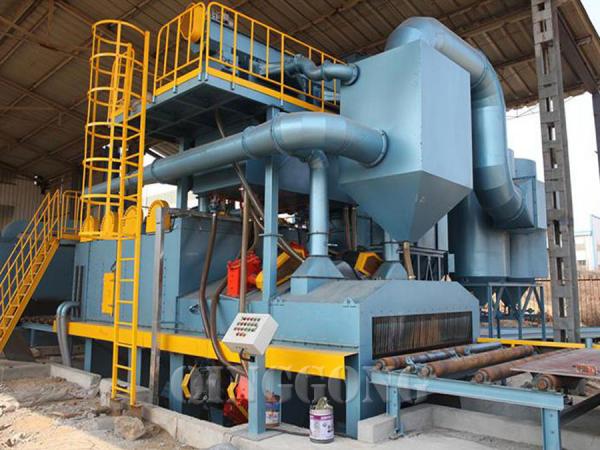
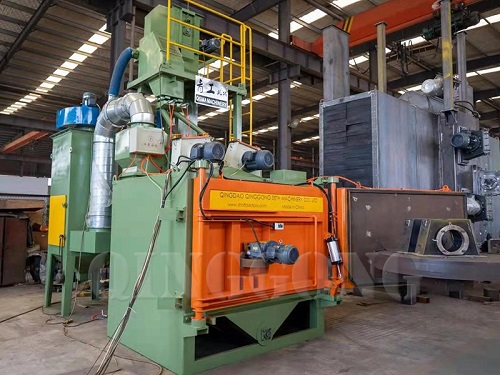
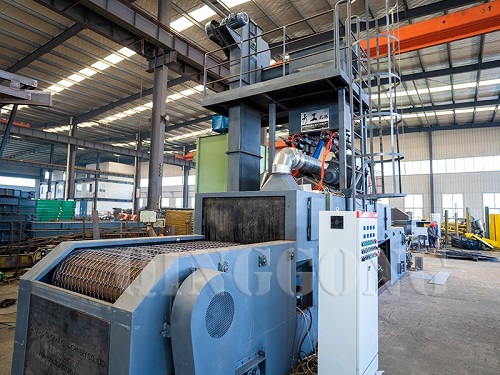
A complete shot blasting system usually includes a blast wheel, abrasive supply unit, recovery system, dust collector, and workpiece handling equipment. Manufacturers such as QGMA provide industrial solutions designed for different applications, including steel beams, aluminum components, automobile parts, and heavy machinery.
The Basic Working Principle of a Shot Blasting Machine
The operation of a shotblast machine follows a continuous circulation process:
1. Abrasive media is delivered into the blast wheel.
2. The rotating blast wheel accelerates the abrasive using centrifugal force.
3. High-speed particles strike the workpiece surface.
4. Contaminants and weak surface layers are removed.
5. Used abrasive and debris are collected.
6. The abrasive is separated, cleaned, and reused.
The cleaning effect mainly depends on the impact energy of abrasive particles. According to the kinetic energy principle, impact force increases significantly when particle velocity increases:
Kinetic Energy = ½ × Mass × Velocity²
Therefore, blast wheel speed, abrasive size, and material flow rate directly influence cleaning performance.
Industrial surface preparation standards such as ISO 8501-1 define cleanliness grades for steel surfaces before coating applications, making controlled blasting processes important for coating durability and corrosion protection.
How the Blast Wheel Creates Cleaning Power
The blast wheel is the central component of an industrial shot blasting unit. It converts electrical energy into high-speed abrasive movement.
During operation, abrasive particles enter the center of the rotating wheel. The wheel blades then accelerate the particles outward and release them toward the workpiece at a controlled angle.
The process involves three main stages:
Abrasive Feeding
Abrasive media, usually steel shot or steel grit, is stored in a hopper and continuously supplied to the blast wheel.
Abrasive Acceleration
The rotating blades increase the velocity of the abrasive particles. Higher velocity creates stronger impact energy, allowing the machine to remove difficult contaminants such as rust and mill scale.
Surface Impact
When abrasive particles hit the metal surface, the impact breaks away unwanted layers and creates microscopic surface roughness. This roughness improves the bonding strength of coatings and paints.
The efficiency of this process makes shot blasting suitable for large-scale metal shot blasting applications where consistent results are required.
Main Components of a Shot Blasting System
A modern industrial shot blasting system combines several components that work together to achieve efficient surface treatment.
Component | Function |
Blast Wheel | Accelerates abrasive media toward the workpiece |
Abrasive Supply System | Controls the amount of blasting media |
Recovery System | Collects and recycles used abrasive |
Separator | Removes dust and damaged particles |
Dust Collector | Controls airborne particles |
Conveyor System | Moves workpieces through the blasting area |
Abrasive Recovery System
The recovery system is essential for automatic operation. After impact, abrasive particles fall into the machine chamber and are transported back through conveyors.
A separator removes broken particles, dust, and contaminants, allowing clean abrasive to return to the blast wheel. This recycling process reduces material waste and improves production efficiency.
Types of Shot Blasting Machines Based on Working Methods
Different workpieces require different machine structures. The working principle remains the same, but the transportation method and blasting arrangement vary.
Machine Type | Typical Applications |
Steel Beam Shot Blasting Machine | H-beams, steel plates, structural steel |
Roller Conveyor Machine | Large metal profiles and fabricated parts |
Hook Type Machine | Heavy castings and welded components |
Tumble Belt Machine | Small parts and bulk components |
Wire Mesh Shot Blasting Machine | Aluminum wheels and lightweight parts |
Automobile Parts Shot Blasting Machine | Engine parts, brake components, suspension parts |
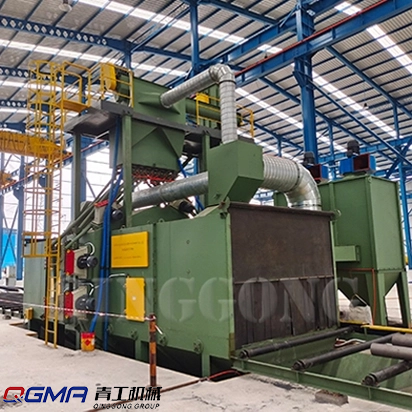
For example, an H beam metal shot blasting machine uses multiple blast wheels positioned around the conveyor line to clean different surfaces of large steel structures. This allows manufacturers to process long steel materials efficiently before painting or fabrication.
An aluminum shot blasting machine blaster machine uses carefully controlled blasting parameters because aluminum is softer than steel and requires lower impact intensity to prevent surface damage.
Factors Affecting Shot Blasting Performance
Although the working principle of a shot blasting machine is simple, the final surface quality depends on several operating parameters.
Factor | Impact on Blasting Result |
Abrasive Type | Determines cleaning ability and surface finish |
Abrasive Size | Affects impact strength and surface roughness |
Blast Wheel Speed | Controls abrasive velocity and cleaning intensity |
Exposure Time | Influences the degree of surface cleaning |
Conveyor Speed | Determines production efficiency and coverage |
Workpiece Material | Affects required blasting pressure and duration |
For example, a steel beam shot blasting machine requires stronger impact energy to remove mill scale from structural steel, while an aluminum component requires more controlled parameters to avoid excessive surface roughness.
Selecting suitable abrasive materials and operating conditions is essential for achieving stable results. Surface engineering research emphasizes that proper process control helps balance cleaning efficiency, material protection, and coating performance.
Industrial Applications of Shot Blasting Machines
The working principle of shot blasting can be adapted to different manufacturing industries by changing machine design, abrasive type, and operating parameters.
Steel Fabrication
Structural steel manufacturers commonly use steel beam shot blasting machines to prepare H-beams, I-beams, plates, and fabricated structures before painting.
Removing rust and mill scale improves coating adhesion and helps extend the service life of protective coatings. Proper surface preparation is widely recognized as a critical factor in corrosion protection systems.
Automotive Manufacturing
Automotive manufacturers use Automobile parts shot blasting machines for cleaning and preparing:
Brake components
Engine housings
Transmission parts
Suspension components
Metal castings
Automated blasting improves consistency in high-volume production lines while reducing manual labor requirements.
Aluminum Component Processing
An aluminium motor wheel shot blasting machine is specially designed for aluminum wheels, motor housings, and other lightweight components.
Because aluminum has lower hardness than steel, the blasting process requires precise control of abrasive speed, media size, and processing time to achieve a clean surface without damaging the component.
Heavy Equipment Manufacturing
Construction machinery, agricultural equipment, and industrial machines often require surface blast machine processing before coating.
Large components such as frames, brackets, and welded structures benefit from automated blasting because it provides uniform cleaning across complex surfaces.
Advantages of Automated Shot Blasting
Modern automatic blasting systems provide several advantages compared with manual surface preparation methods.
Advantage | Description |
High Productivity | Continuous operation supports mass production |
Consistent Quality | Automated control produces uniform surface results |
Lower Labor Cost | Reduces dependence on manual cleaning |
Abrasive Recycling | Lowers material consumption |
Better Safety | Reduces worker exposure to dust and abrasive particles |
A modern shot blasting system can also be integrated with production lines, including conveyors, painting equipment, and robotic handling systems. This makes it suitable for factories requiring continuous manufacturing processes.
How to Select a Shot Blasting Machine
When choosing a shot blast machine for sale, manufacturers should consider several factors:
Workpiece Size and Shape
Large steel structures may require a conveyor-type machine, while small components are usually processed with tumble belt or rotary machines.
Production Capacity
High-volume factories should choose automated systems capable of continuous operation.
Material Characteristics
Steel, stainless steel, aluminum, and cast iron require different abrasive selections and blasting parameters.
Surface Requirements
The required surface finish depends on the next manufacturing step, such as painting, welding, coating, or inspection.
Professional suppliers such as Shot Blast Pro provide different configurations for structural steel, automobile components, aluminum parts, and customized industrial applications.
Future Development of Shot Blasting Technology
The development of intelligent manufacturing is changing traditional blasting equipment.
Modern industrial shot blasting systems increasingly include:
PLC automatic control
Real-time operating monitoring
Energy-efficient blast wheels
Automatic abrasive adjustment
Remote maintenance functions
Robotic loading and unloading
These improvements allow manufacturers to achieve higher production efficiency while reducing equipment downtime.
As factories continue adopting Industry 4.0 technologies, automated blasting will become increasingly connected with smart production lines and digital manufacturing systems.
Conclusion
The shot blasting machine working principle is based on using centrifugal force to accelerate abrasive media and create controlled impact on metal surfaces. Through the combined operation of the blast wheel, abrasive recovery system, dust collector, and conveyor system, modern blasting equipment can efficiently remove contaminants and prepare surfaces for further processing.
From an H beam metal shot blasting machine used in steel fabrication to an aluminum shot blasting machine designed for lightweight components, the basic mechanism remains the same: delivering controlled abrasive energy to achieve reliable surface treatment.
With increasing demand for automation, precision, and production efficiency, advanced shot blasting units continue to play an important role in modern manufacturing.
Frequently Asked Questions
1. What is the working principle of a shot blaster machine?
A shot blaster machine uses a rotating blast wheel to accelerate abrasive particles at high speed. The particles impact the workpiece surface, removing rust, scale, and contaminants before being recovered and reused.
2. What abrasive materials are used in shot blasting?
Common abrasive materials include steel shot, steel grit, stainless steel shot, and cut wire shot. The choice depends on the workpiece material and required surface finish.
3. Why is abrasive recycling important in shot blasting?
Abrasive recycling reduces operating costs, minimizes waste, and maintains consistent blasting performance by returning usable media back into the system.
4. What is the difference between a shot blasting machine and a sandblasting machine?
Shot blasting usually uses centrifugal blast wheels and recyclable steel media, while sandblasting mainly uses compressed air to propel abrasive materials.
5. Can shot blasting be used for aluminum parts?
Yes. Aluminum components can be processed using specialized machines with controlled abrasive velocity and suitable media to prevent surface damage.
6. What industries use industrial shot blasting systems?
Automotive, steel fabrication, construction equipment, shipbuilding, aerospace, foundries, and machinery manufacturing industries commonly use shot blasting equipment.
7. How do I choose the right shot blasting machine?
Selection depends on workpiece dimensions, material type, production volume, required surface finish, automation requirements, and available factory space.